Wouter Leenders
Lecturer, King's College LondonPhotographs of Arthur Cecil Pigou (1877-1959)
Arthur Cecil Pigou (1877-1959) was one of the most renowned British economists of the twentieth century and is perhaps best remembered as the namesake of Pigouvian taxes, levies intended to correct for discrepancies that may exist between private and social costs. In his intellectual biography of Pigou, The First Serious Optimist, the historian Ian Kumekawa documents Pigou's vast influence on economics through his role in laying the foundations of welfare economics and in developing the theory of externalities.Ian Kumekawa, The First Serious Optimist: A. C. Pigou and the Birth of Welfare Economics, Princeton University Press, 2017.
Pigou grew up in an upper-class family, part HuguenotMarika Sherwood and Kathy Chater, The Pigou Family Across Three Continents, Huguenot Society Journal, Vol. 28, No. 3, 2005. and part Anglo-IrishLees baronets of Blackrock (1804), Wikipedia. nobility, with deep ties to the British Empire. Like previous generations of his family, the precocious Pigou attended Harrow School, then as now one of the most expensive and prestigious boarding schools in England. After Harrow, Pigou entered Cambridge as a student of history before shifting his focus to the Moral Sciences Tripos, which covered political economy and was taught by Alfred Marshall. Kumekawa describes Pigou's early political, economic, and ethical sympathies as those of a Gladstonian, reform-minded liberal. Indeed, Pigou was most vocal on the question of free trade, one of the dominant political issues in the early 1900s: first as a member of the Cambridge Union, later as the author of The Riddle of the Tariff,Arthur Cecil Pigou, The Riddle of the Tariff, R. Brimley Johnson, 1903. and finally as one of the fourteen academic economists who signed an open letter in The Times attacking protectionism.Professors of Economics and the Tariff Question, The Times, 15 August 1903.
As an economist, and as Marshall's successor as Professor of Political Economy at Cambridge, Pigou saw his task as continuing and consolidating Marshall's analytical style of economics, placing him in direct opposition to the historical school associated with William Cunningham and Herbert Foxwell. The Marshallians viewed economics as a positive scientific discipline, not wholly separate but certainly distinct from ethics, history, and, importantly, politics. As the leading representative of economics in Britain, Pigou was intent on cultivating the discipline's reputation for seriousness and objectivity, and became increasingly reluctant to engage openly in public debate, fearing that such engagement might expose fissures among economists and compromise their non-partisan credibility.
Pigou further consolidated his position as Britain's most prominent economist through his books Wealth and WelfareArthur Cecil Pigou, Wealth and Welfare, Macmillan, 1912. and The Economics of Welfare,Arthur Cecil Pigou, The Economics of Welfare, Macmillan, 1920. foundational texts in the field of welfare economics. As such, he also became a natural target for criticism from younger economists such as Joan Robinson, Nicholas Kaldor, John Hicks, Lionel Robbins, and, most notably, John Maynard Keynes, his friend and fellow member of King's College, who devoted an entire appendix of The General TheoryJohn Maynard Keynes, The General Theory of Employment, Interest and Money, Macmillan, 1936. to criticising Pigou's The Theory of Unemployment.Arthur Cecil Pigou, The Theory of Unemployment, Macmillan, 1933. Dismayed by the attacks, Pigou remained fiercely defensive of “classical”, Marshallian economics, but was ultimately unable to preserve the unity among economists to which he had long aspired.
Kumekawa writes that Pigou, after his mandatory retirement from his professorship in 1943 and as he grew increasingly out of touch with his professional colleagues, shifted his attention to the general public. Encouraged by his close friend Philip Noel-Baker, the former Olympian, Labour politician, and future Nobel laureate, Pigou wrote Income: An Introduction to EconomicsArthur Cecil Pigou, Income: An Introduction to Economics, Macmillan, 1946. and Income Revisited,Arthur Cecil Pigou, Income Revisited, Macmillan, 1955. books intended not for fellow economists but for “any educated person who chooses to take a little trouble.” The latter also marked the completion of Pigou's political evolution, as he came to embrace an egalitarianism for which large inequalities in disposable income were essentially unfair. Having been a liberal for much of his life, by the end of it Pigou came to openly support the British Labour Party and their post-war expansion of the welfare state.
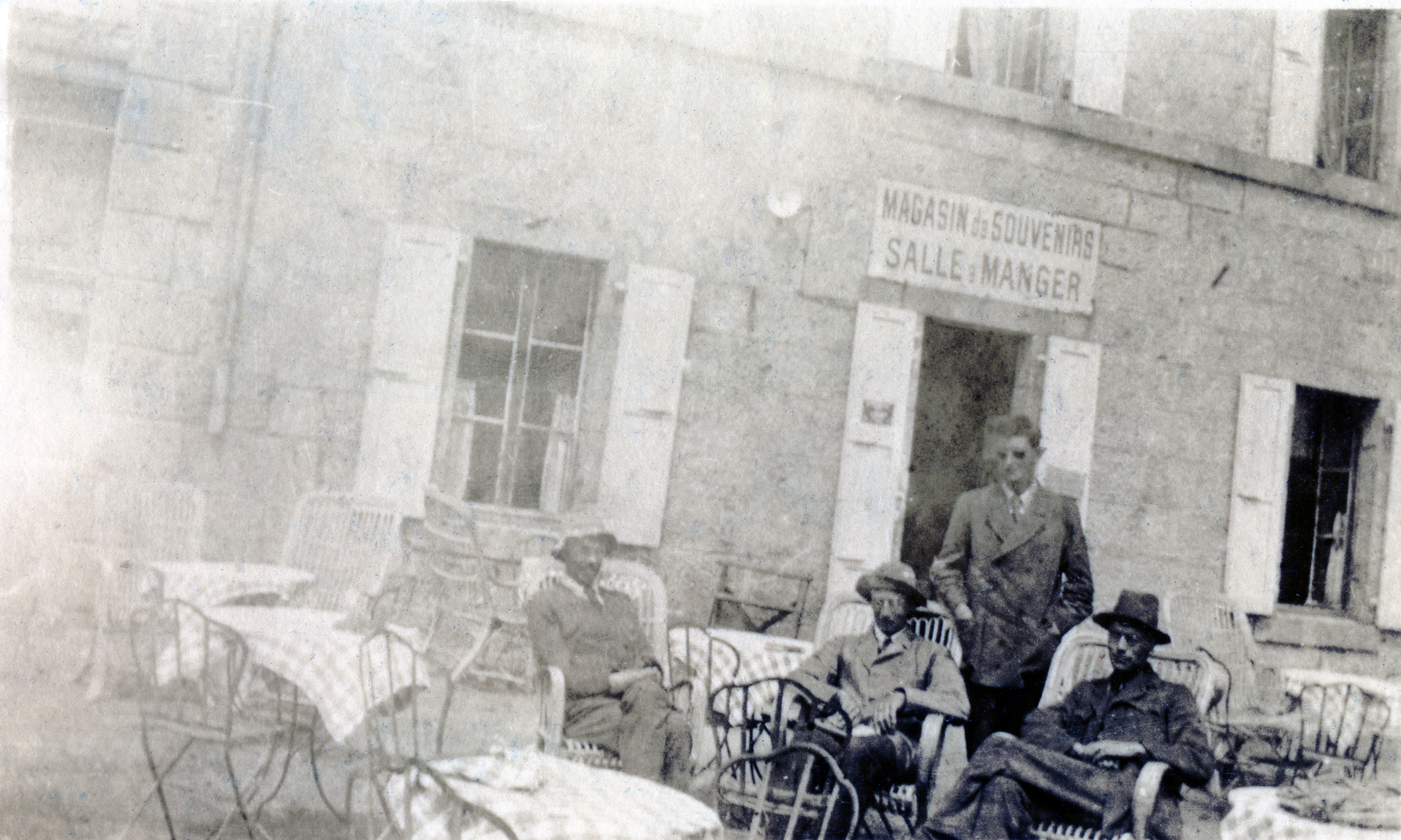
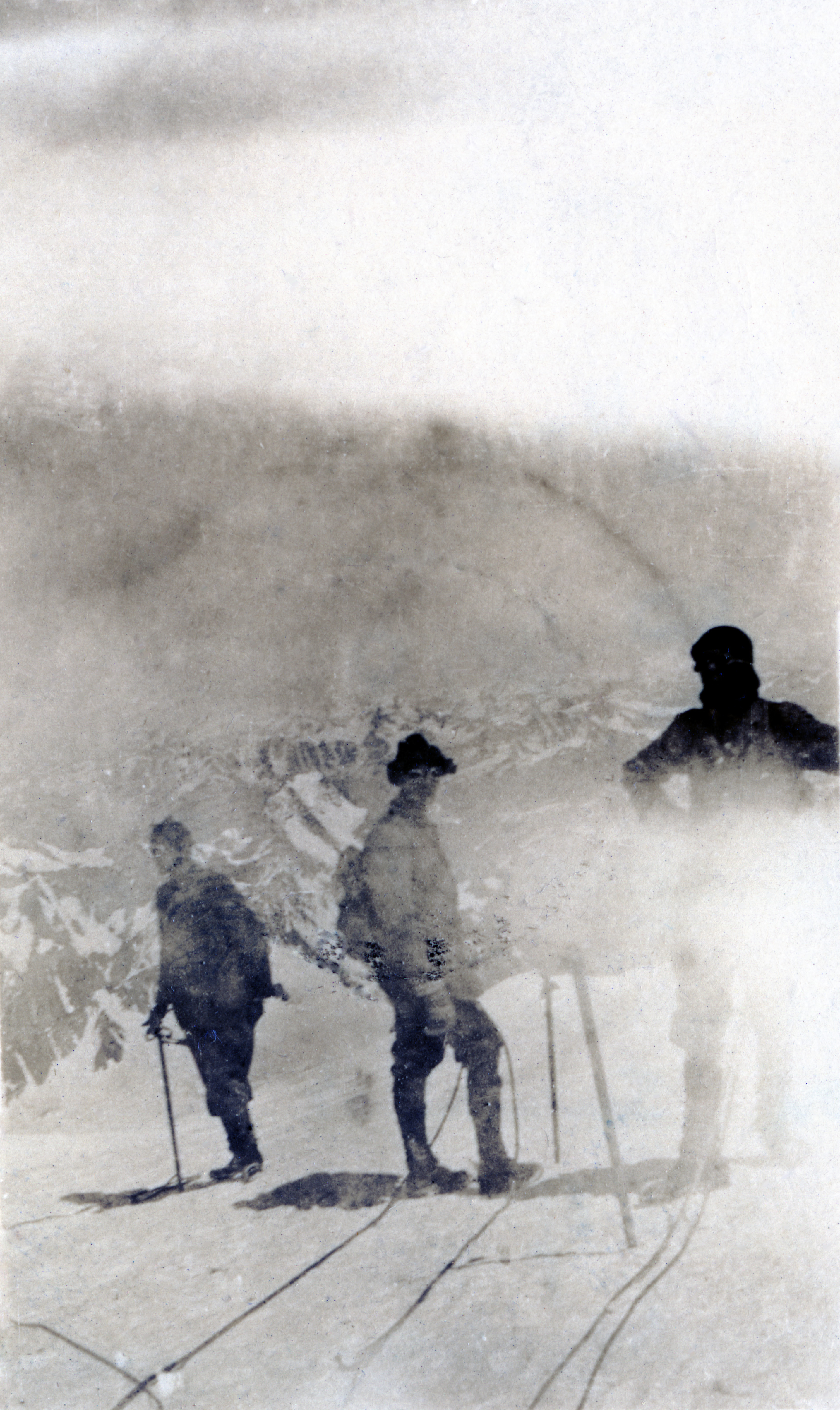
Pigou was also an avid mountaineer. As his In Memoriam in the Alpine Journal recounts, he was introduced to climbing during visits to the Lake District in the early 1900s.Howard Charles Adie Gaunt, In Memoriam, Alpine Journal, 1959. His first Alpine season was in 1907 and he would become a regular visitor until his death. He was elected to the Alpine Club in 1913 and became an occasional contributor to the Club's journal, writing about his Alpine expeditions in 1922Arthur Cecil Pigou, Some Alpine Expeditions in 1922, Alpine Journal, 1923. and about “night life on high hills.”Arthur Cecil Pigou, Night Life on High Hills, Alpine Journal, 1942. His climbing partner George Mallory, who would die tragically during the 1924 British Mount Everest expedition, read an account of their 1919 ascent of the Rochers route over Mont Blanc to the Alpine Club in 1920.George Mallory, Our 1919 Journey, Alpine Journal, 1920. Two photographs of this journey have survived in Harold Porter's diaries, which are held by the Alpine Club and are shown below.
The all-male world of climbing appealed to Pigou. In his obituary, the economist David Gawen Champernowne wrote that Pigou would “speak gallantly of the lovely Mrs. Smith, the gorgeous Mrs. Brown and the beautiful Mrs. Jones: but the photographs around his room proclaimed that his eye for beauty was rather concerned with mountains and men,” a veiled reference perhaps not just to Pigou's misogynistic streak but also to his rumoured homosexuality.David Gawen Champernowne, Arthur Cecil Pigou 1877–1959, Journal of the Royal Statistical Society. Series A (General), Vol. 122, No. 2 (1959), pp. 263–265. In Pigou's time, King's College was home to a community of men that was unusually tolerant and supportive of queer people, as documented in Simon Goldhill's Queer Cambridge.Simon Goldhill, Queer Cambridge: An Alternative History, Cambridge University Press, 2025. Many of Pigou's closest friendships were formed in this circle, but, apart from the gossip of his Cambridge contemporaries, very little is known with certainty about his own romantic life.
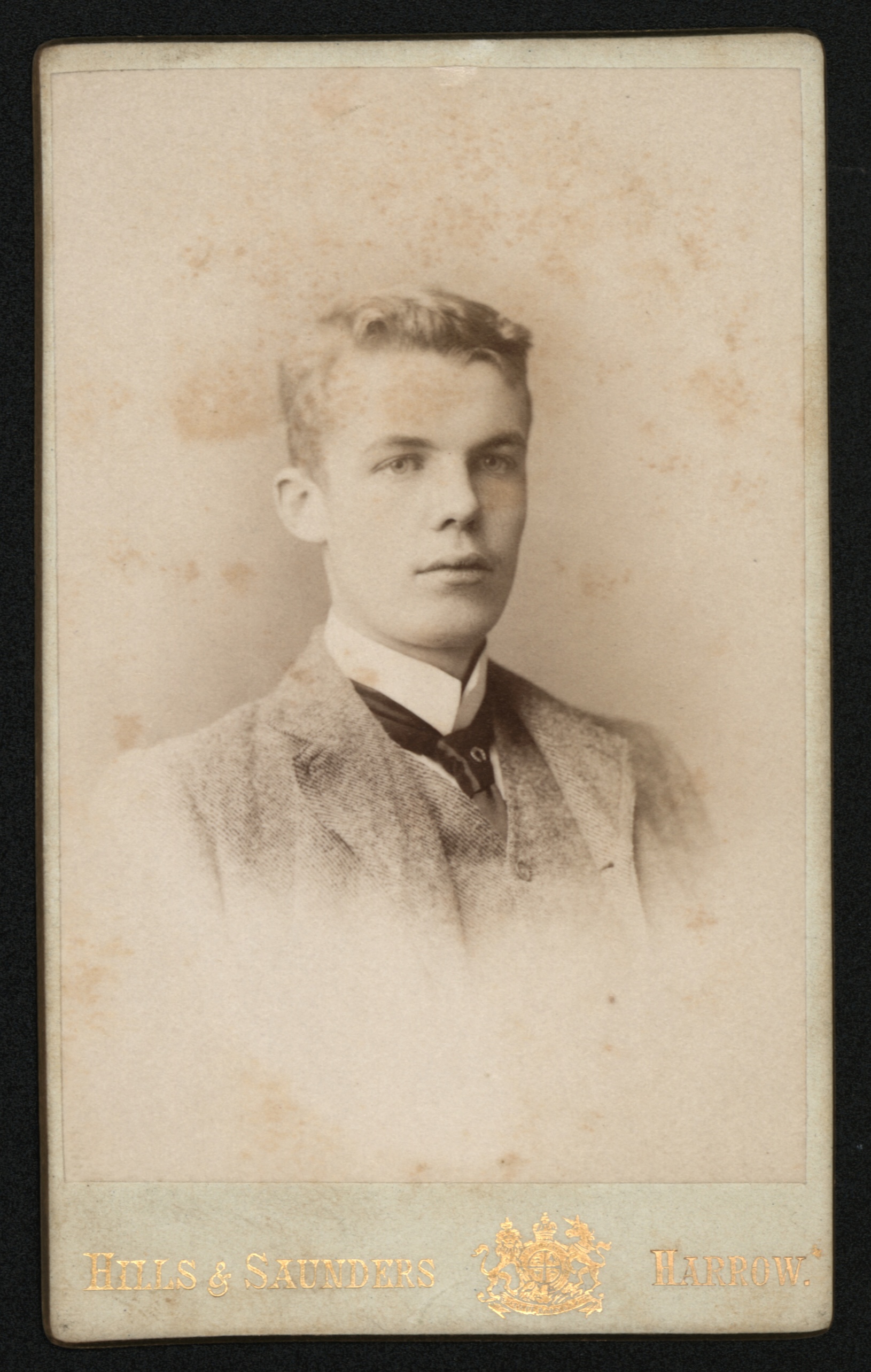
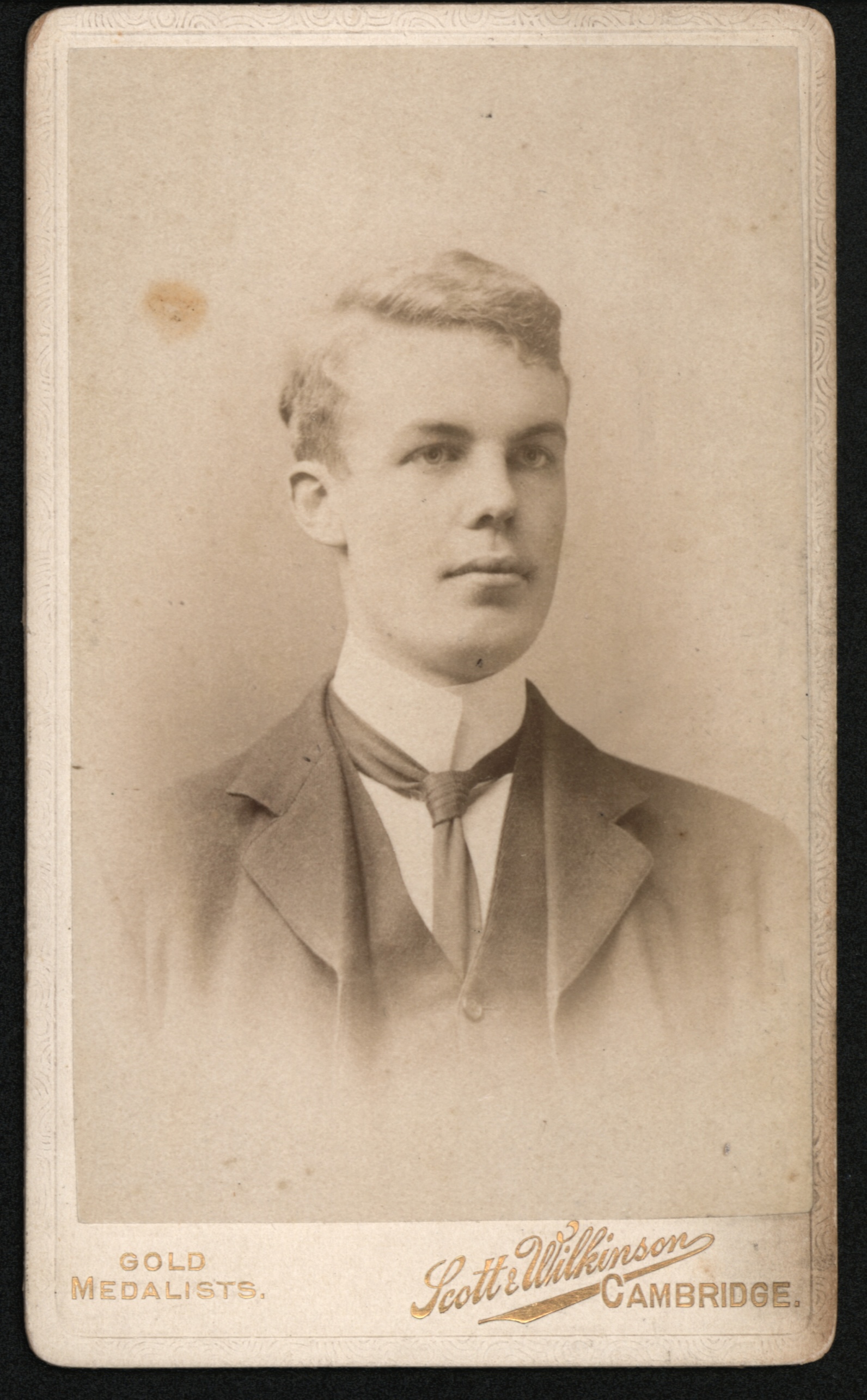
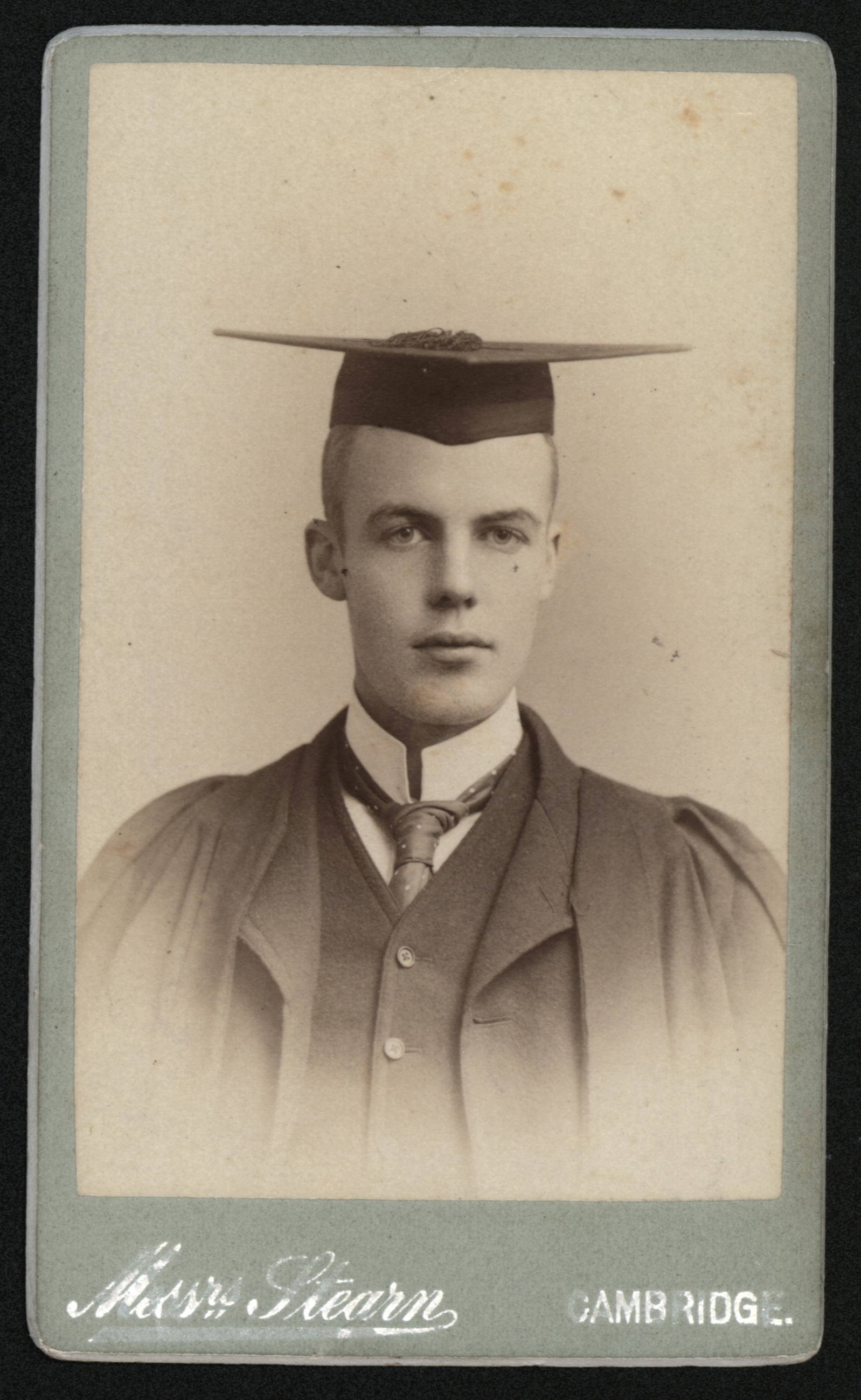
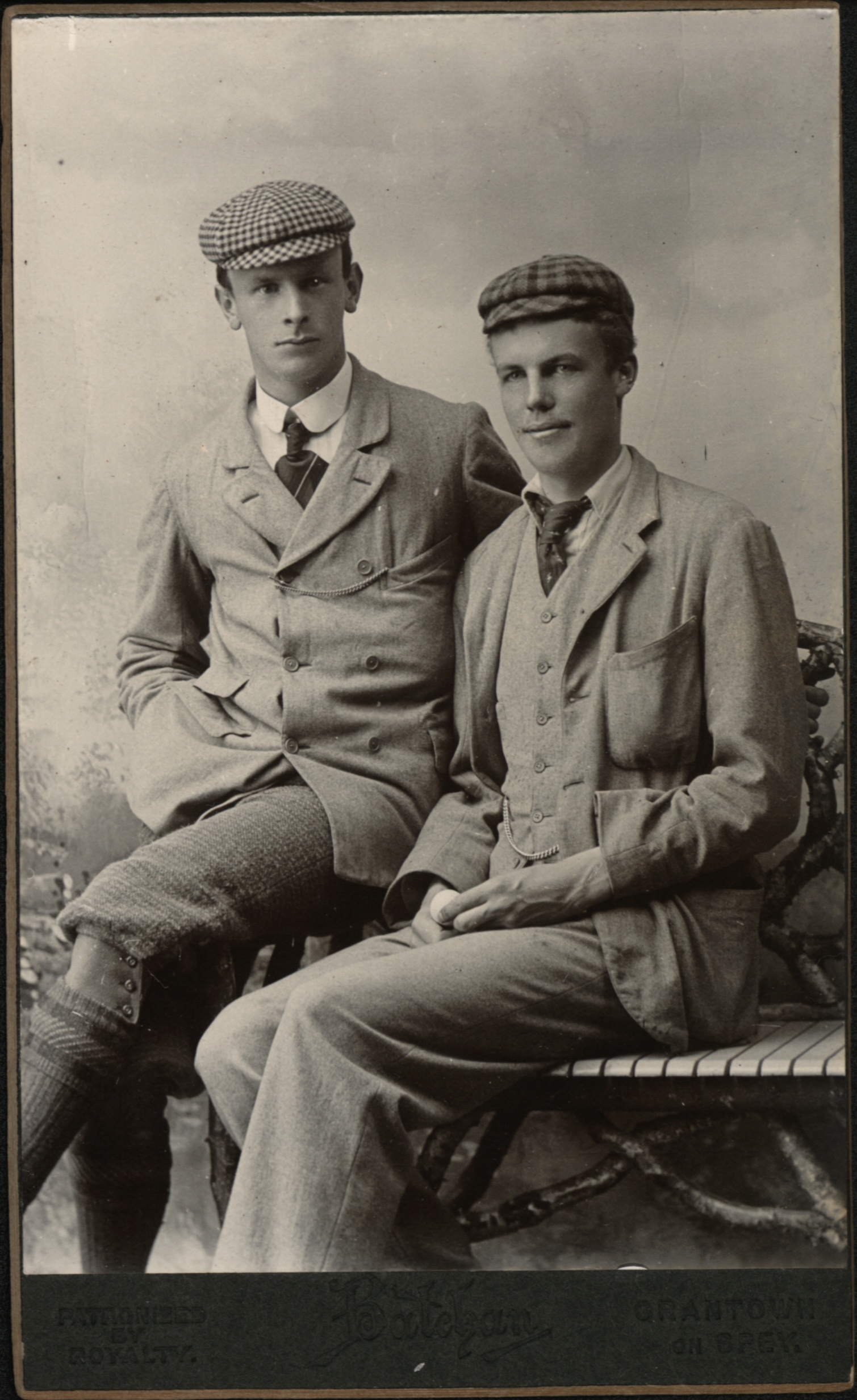
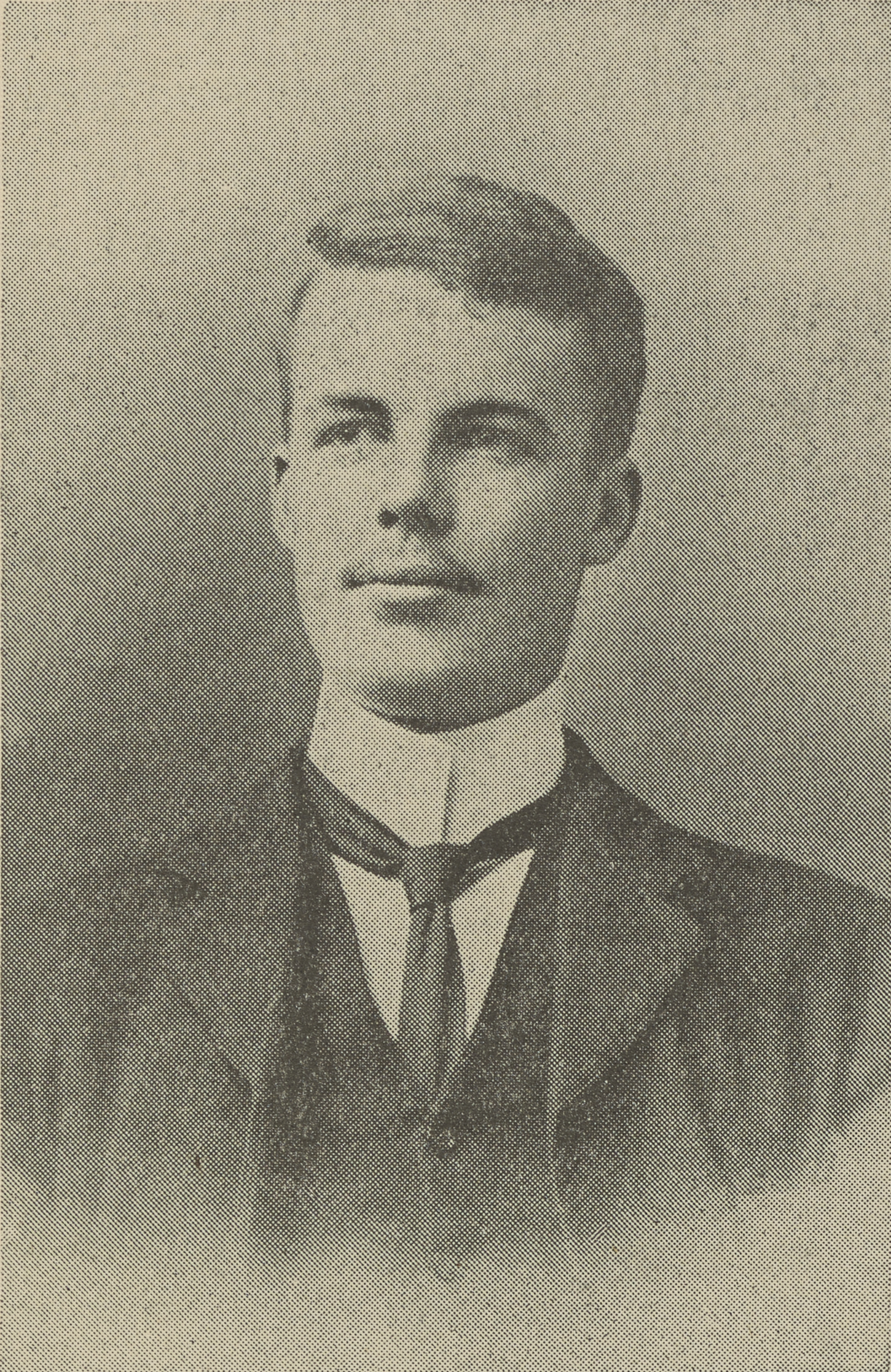
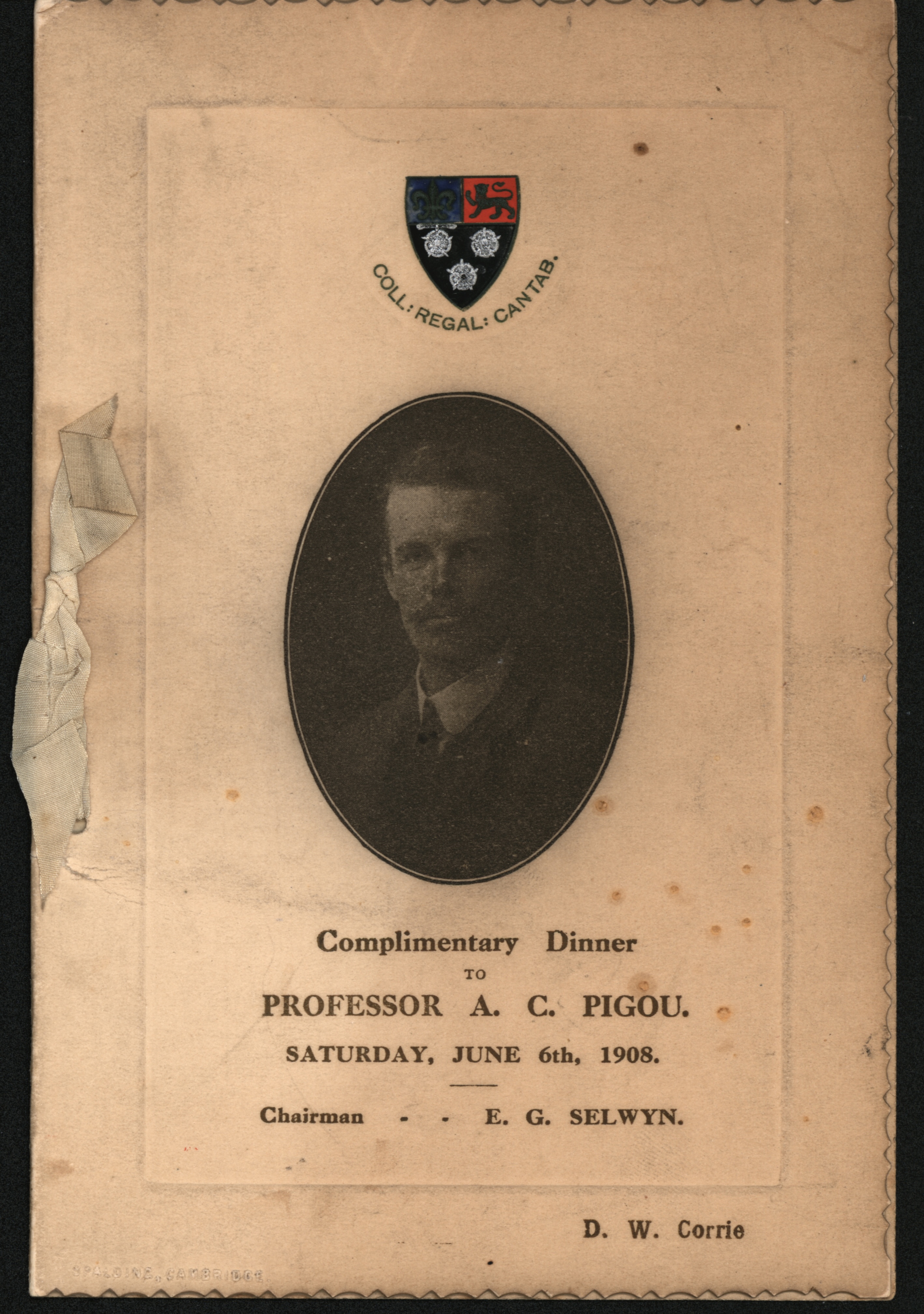
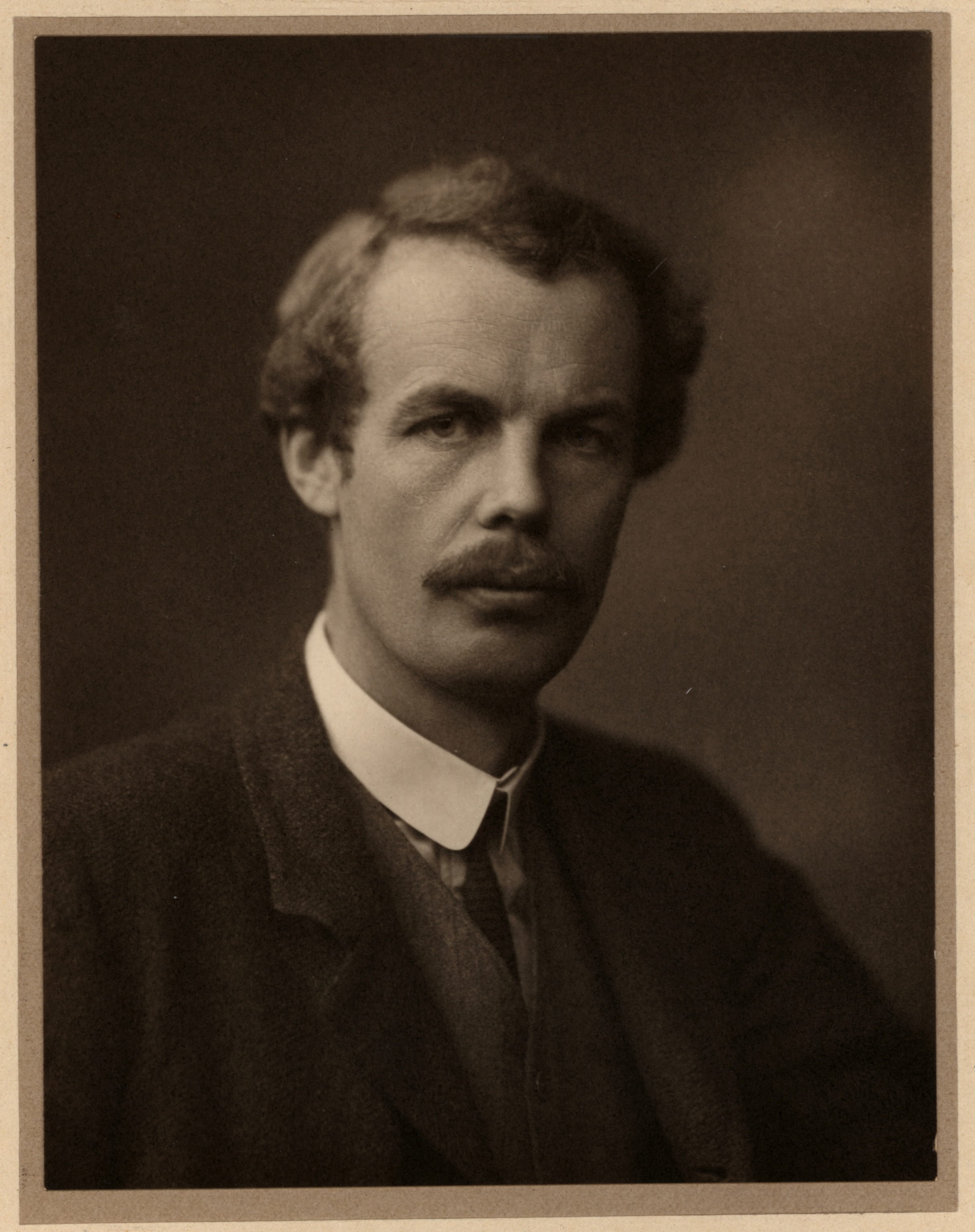
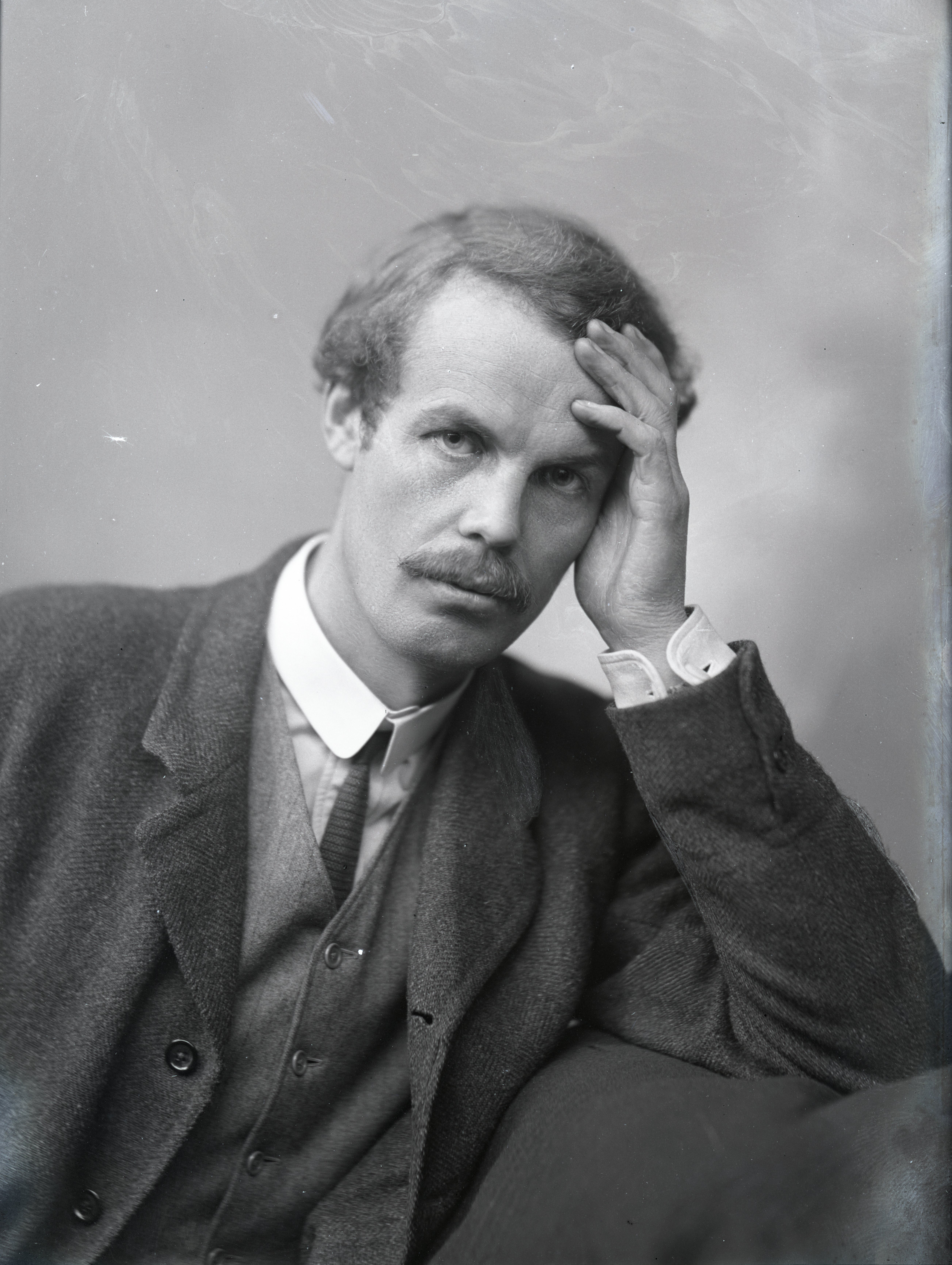
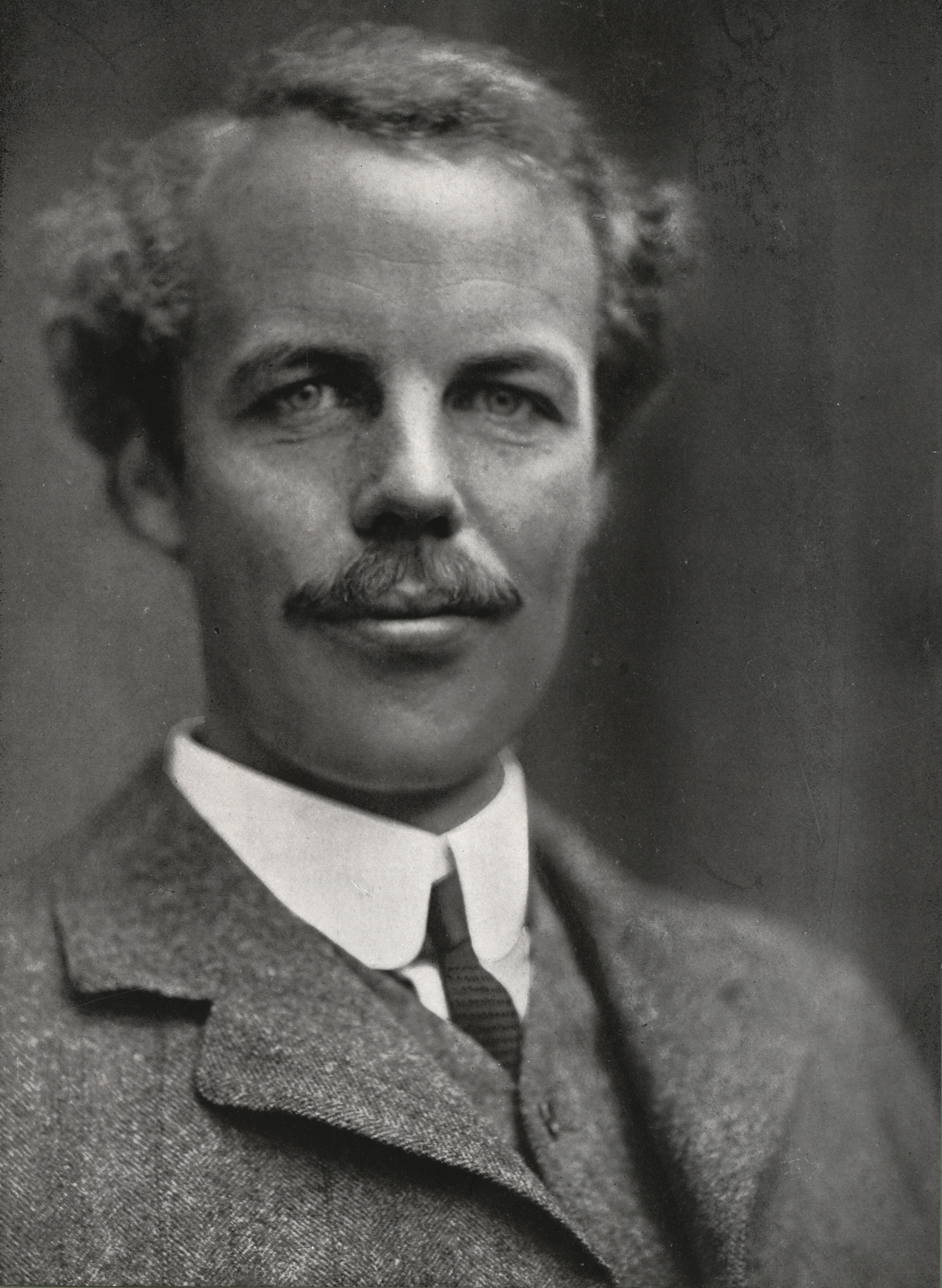
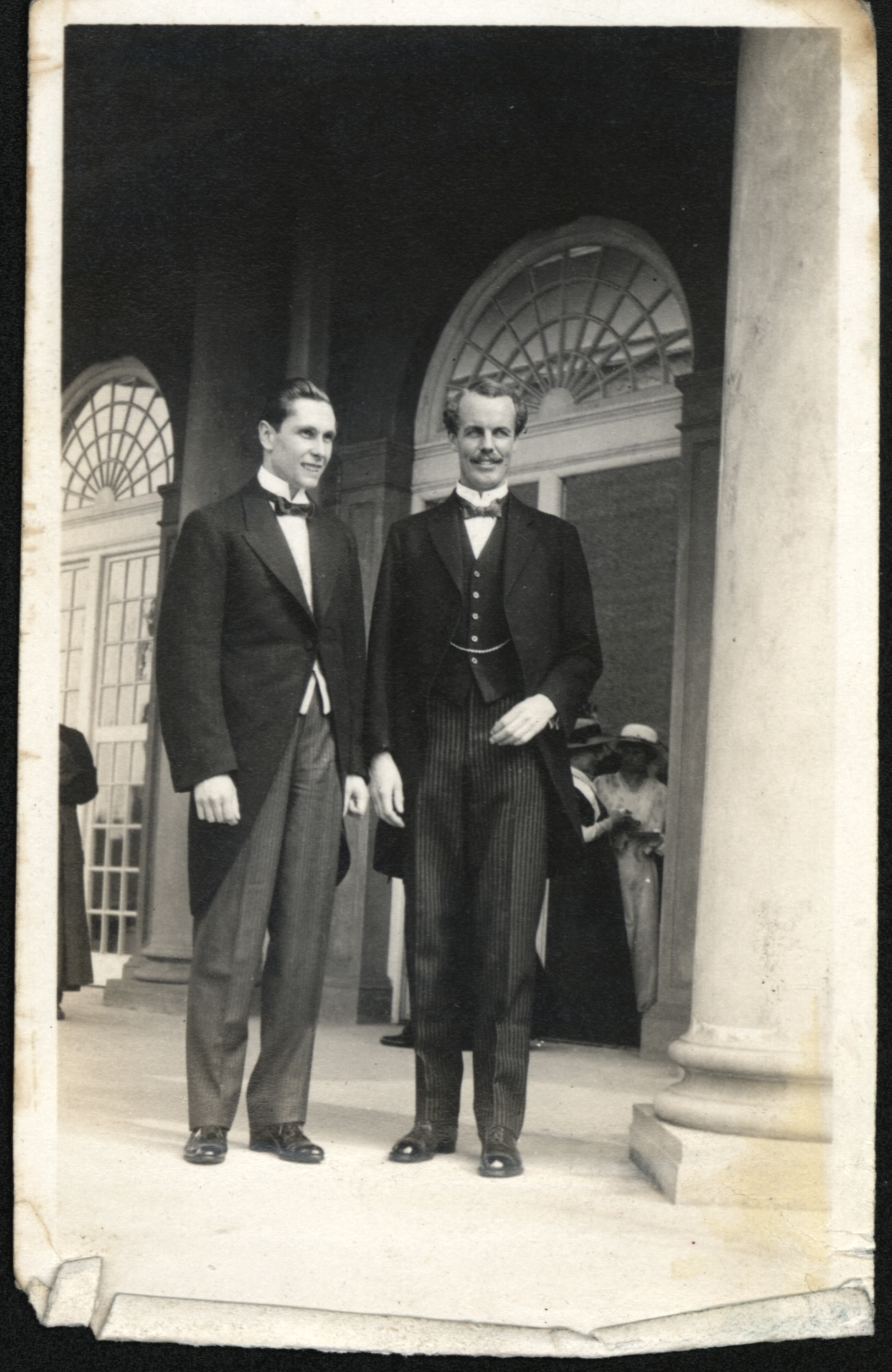
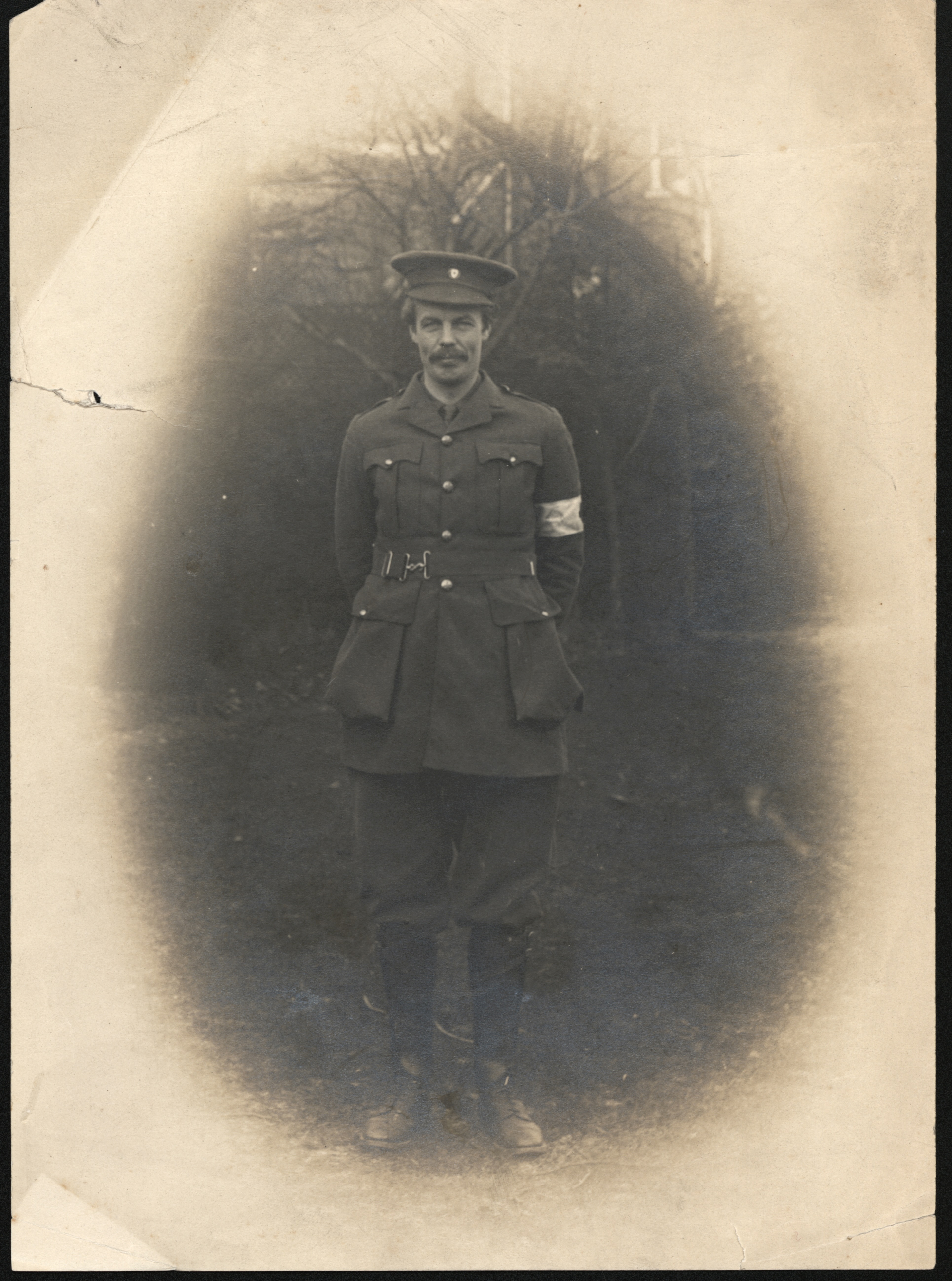
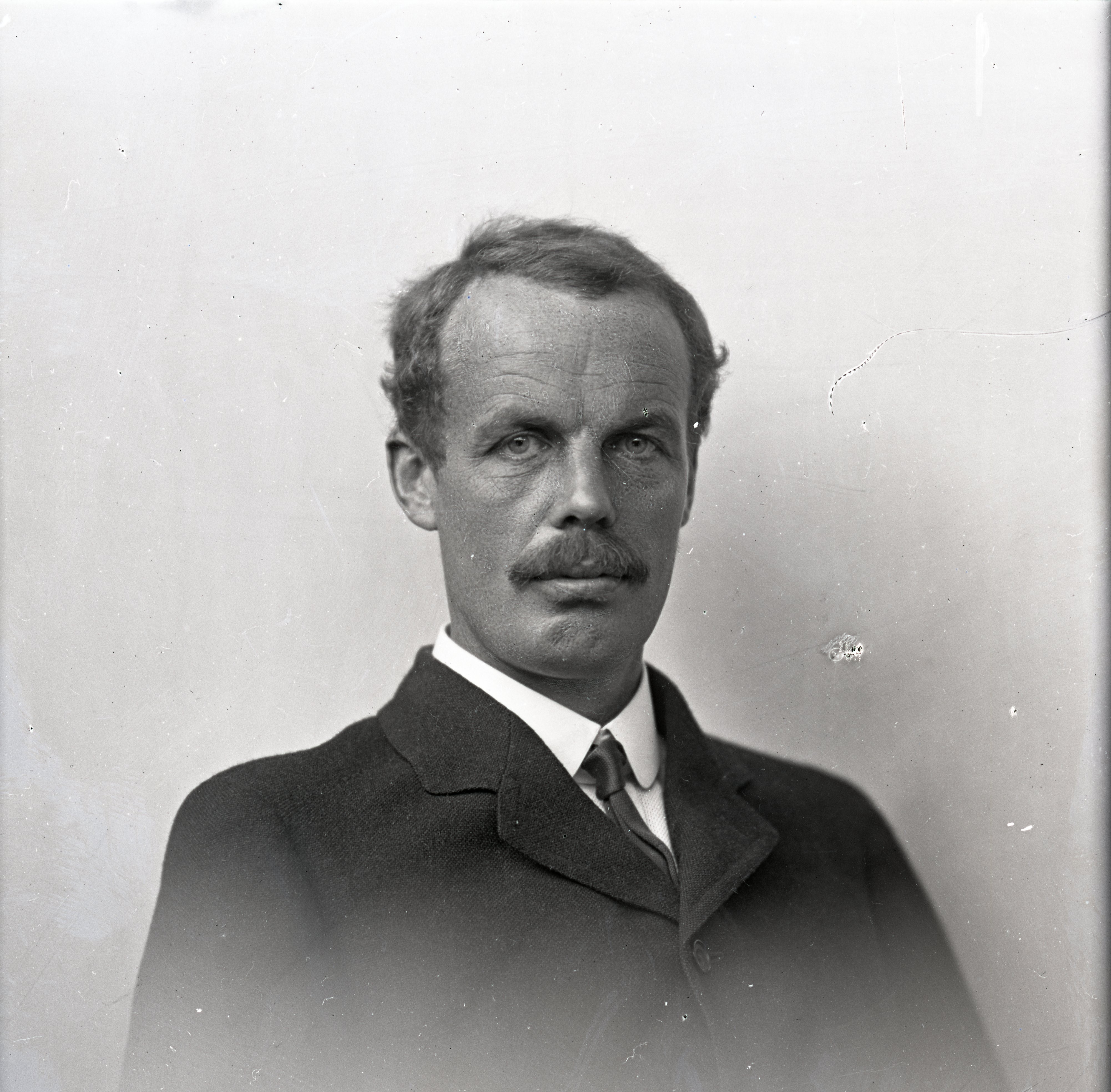
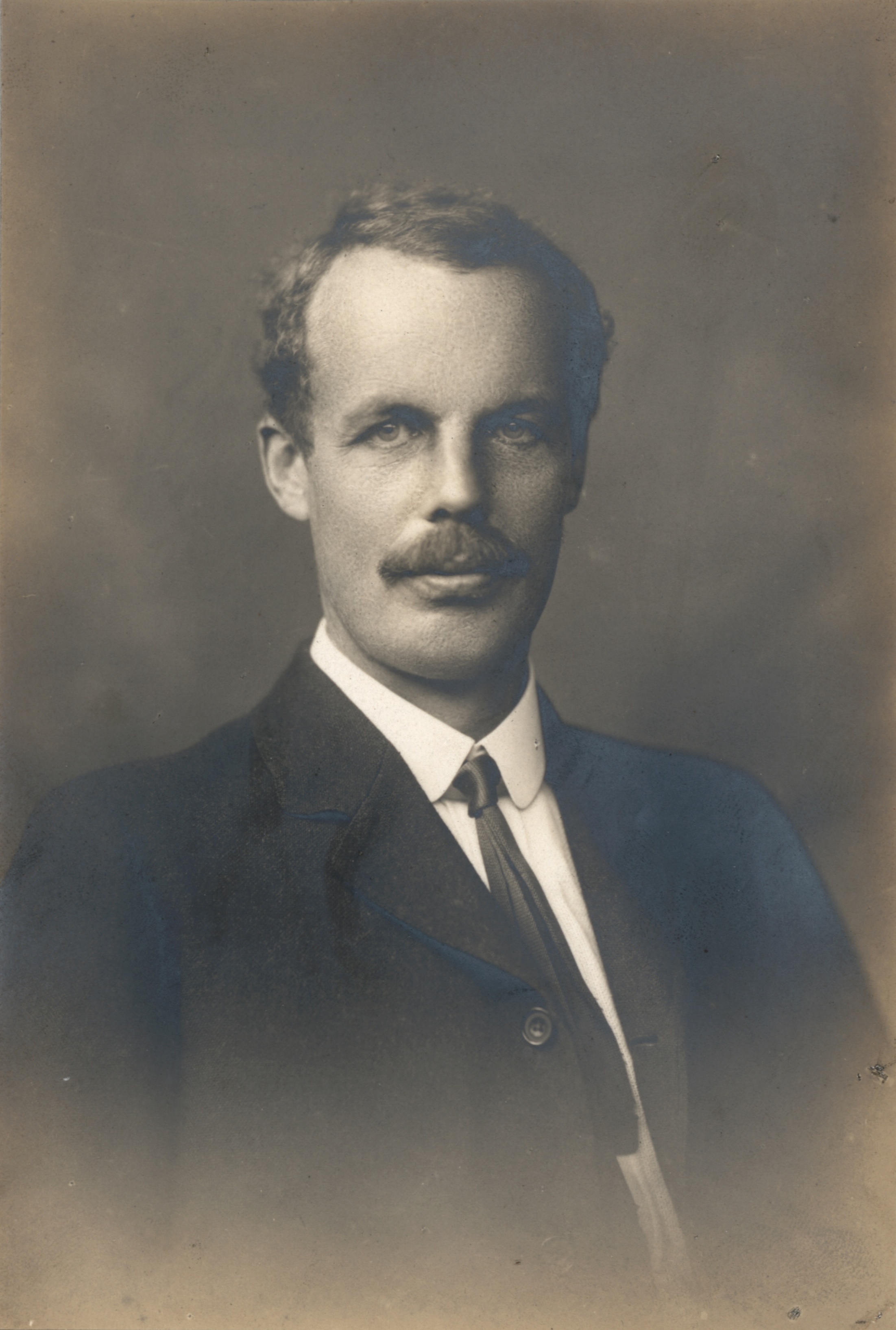
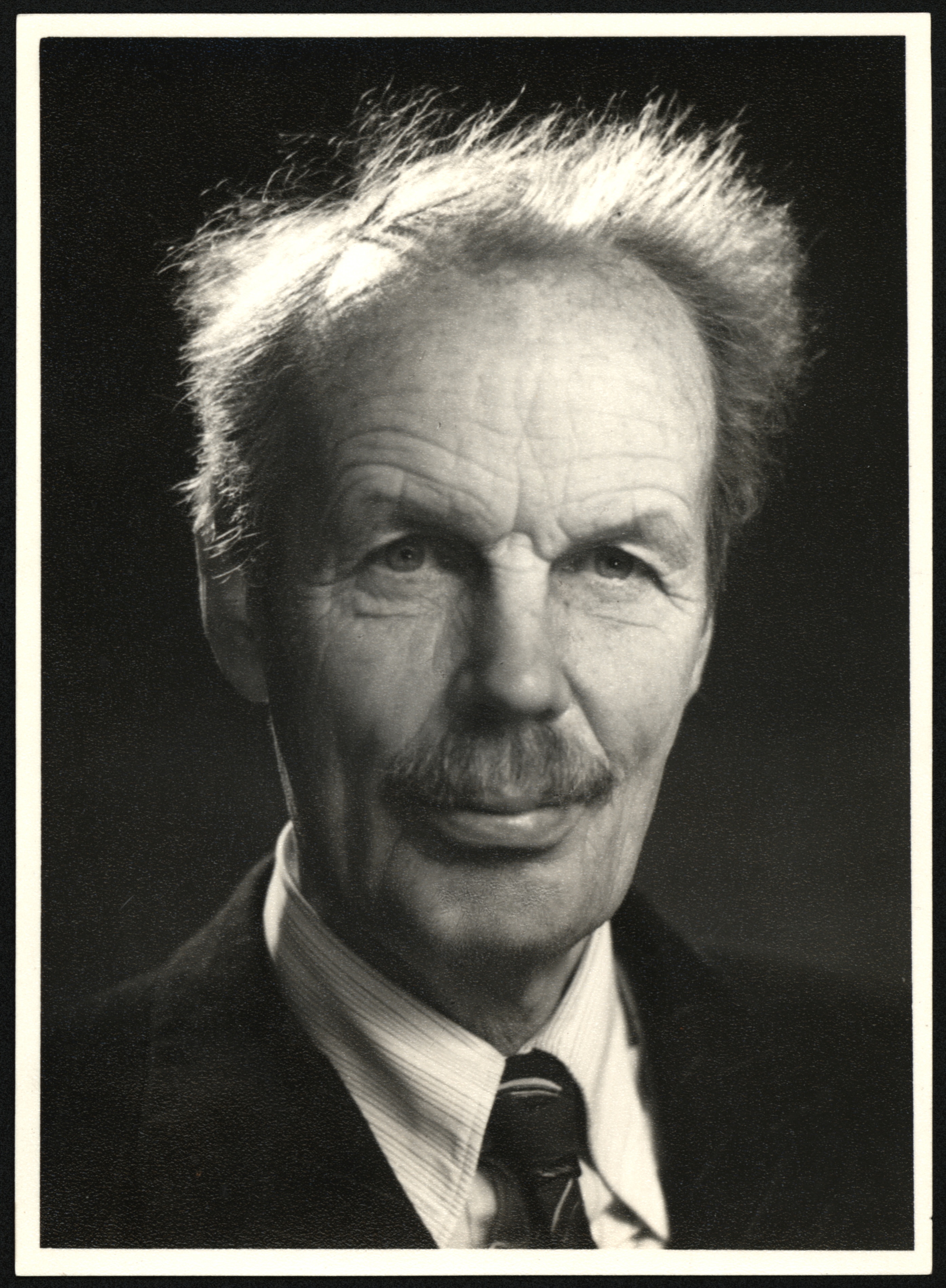
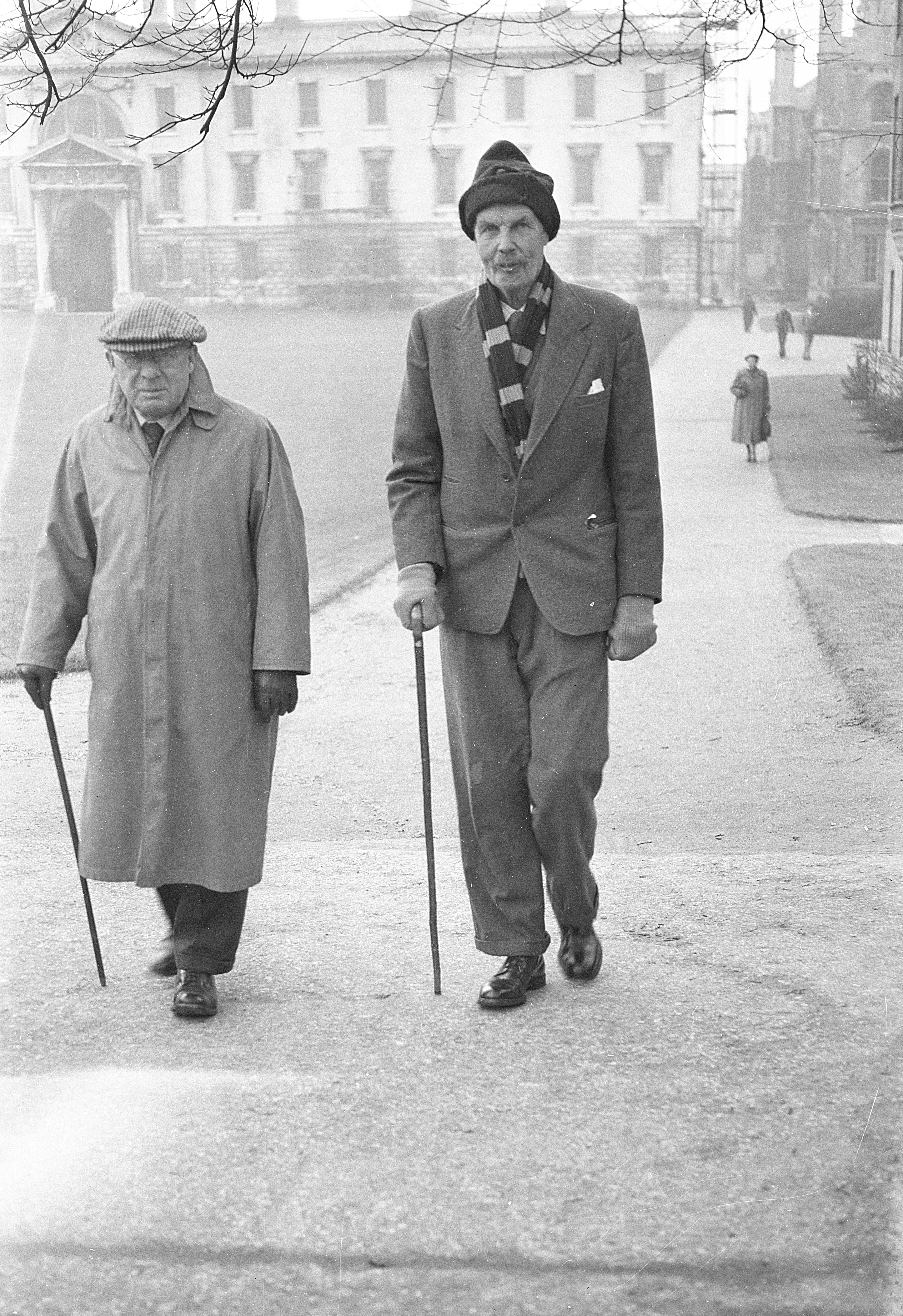
Curiously, for people teaching or researching Arthur Cecil Pigou's life and ideas, few high-quality photographs of Pigou are available online. I contacted several archives and requested scans of any Pigou photographs in their collections. Below are the photographs that they found.